History
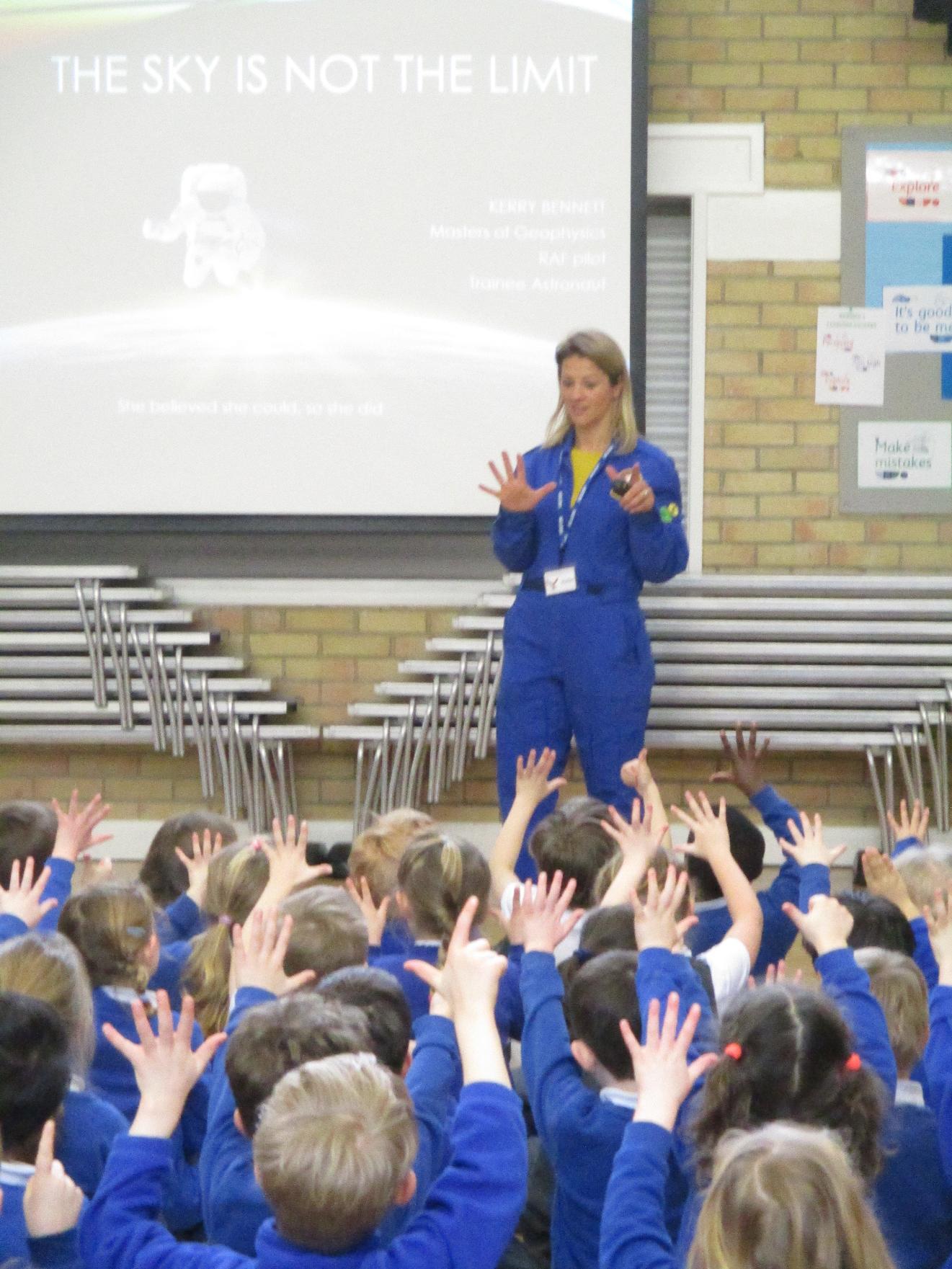
“If Michael Collins had gone down to the moon it would not have been safe for them all, it was sad for him to not walk on the moon."
"I really loved the talk by a real astronaut!"
Intent
At Buryfields, we want our children to be inspired and excited by learning about the past. We are fortunate in having a Victorian school building that is located in a village rich with history. It is important for us that children learn through first hand experiences and what better place to start than the building with which they are so familiar? Children learn about the school and the era in which it was built, as well as learning about the historical landscape of the village. From All Saints' Church to the Pest House, Odiham has so many unique and exciting historical features that inform our local history curriculum.
Alongside the National Curriculum Programme of Study for history, at Buryfields we have additional key learning intentions which are:
- Children understand what history is and recognise this as a discrete subject
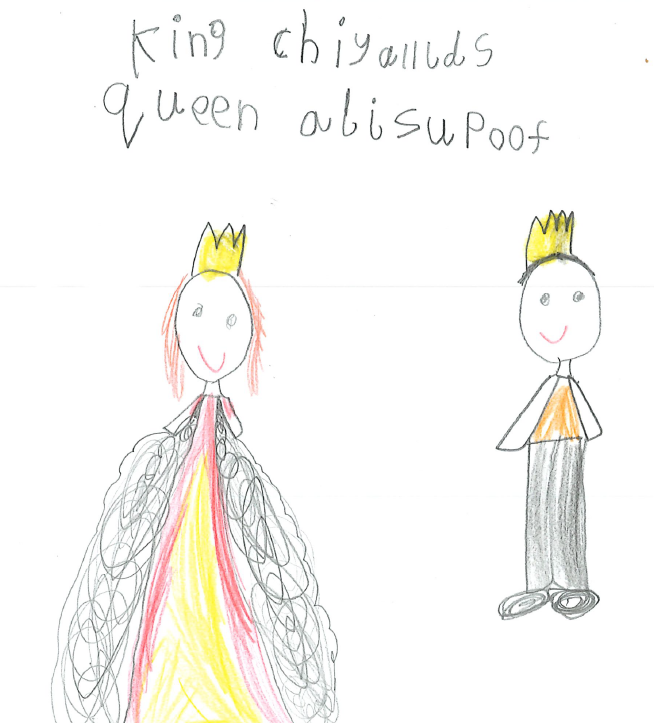
- Children gain substantive knowledge of monarchy from Year R to Year 2
- Children know and remember key historical information about Odiham, including the history of the school, All Saints' Church, the Pest House, Almshouses, and stocks.
Implementation
Children are naturally interested in things that happened in the past, be it close to their own experiences at home, or further afield to include the experiences of their parents, grandparents and beyond. This natural curiosity to find out more can be used when children are given opportunities to investigate artefacts and high quality sources of information, visit museums, listen and ask questions to expert visitors and experience past situations through drama and eyewitness accounts. These all develop the children's knowledge and understanding but also give them the confidence to question, challenge and find out even more. Chronological understanding is developed at every opportunity. If a relevant historical event happens, the opportunity is embraced, discussed, and if appropriate, celebrated through news reports, newspapers and other relevant information sources. We want our children to know that they are part of history too, and we ensure that they are involved in historic events, locally and nationally. Through rich and exciting learning opportunities, our children learn that history is all around us and that we are all a part of it!
In EYFS, history is taught as part of their Knowledge and Understanding the World. Here, history is very close to the children and focuses on experiences in their own life and in stories that they are reading in class. The language of the past and present is introduced at every relevant opportunity and the children are encouraged to use it. Key Stage 1 history is mainly taught in three blocked units with the added opportunity to exploit spontaneous or unique events that occur. It is mainly taught as a discrete subject. Topics are chosen based on what excites and interests our children, appropriate skills and knowledge progression and advice from the Hampshire History Unit experts.
Impact
Our children love history! They can talk about a range of events, periods of time and famous people that have had an important influence on people and the wider world. They experience high quality history learning that builds upon previous knowledge and that prepares them for their next steps. The use of high quality resources, artefacts, visitors and school trips is key to the success of the curriculum area and the children are always very animated about these exciting events. They remember important local and national celebrations and, in being part of these, know that they are part of history and the wider community. Monitoring within the school through learning walks, teacher assessments and discussions with groups of children shows a solid progression in chronological understanding and use of historical vocabulary and terms, as well as a good retention of key knowledge and facts. It is evident that the children are talking about and discussing their learning outside school when they bring in relevant information that they have found out, or have been on a family trip inspired by school. This is then shared as a class and the learning continues.

|
History Curriculum Overview | [pdf 808KB] |

|